
Start date: January 1st
Because they are PDA adults with PDA children, Brook Madera (No Pressure PDA) who hosts the classes, and Sally Cat, who created the animated modules and provides her own, unique insights, are able to explain this little-understood condition with a clarity that cannot be gained through studying theory alone
Brook and Sally Cat have a combined 10+ years of experience successfully troubleshooting PDA needs with families in crisis, as well as the practical experience of supporting themselves and their PDA children. They combined their wisdom to write The Insider Guide to PDA book, published by Jessica Kinglsey Publishers, and transformed that knowledge into this ten week training to help parents puzzle out the hidden workings of PDA.
Between them they have worked as lived-experience consultants with the PDA Society and PDA North America. They have consulted on current research regarding identifying and supporting PDA, and helped train professionals worldwide. Sally Cat has an online following of over 50,000 and authored numerous books on PDA such as PDA by PDAers, and other titles (available on Amazon). Brook has a following of over 24,000 as No Pressure PDA, and established a U.S.-based online facebook PDA Community that serves over 23,000 members.
Parent
Ava H.
I’d like to thank you both for creating such an amazing space for parents and caregivers to learn how to better help those in our lives with PDA whether it’s recognized here or not. We can feel so unsupported everywhere else and this is a platform that recognizes the struggles that others most times don’t.
Your masterclass has done wonders in our household. I’m catching my husband listening to your audio book and asking about where I am in the masterclass now. Having the resources readily available for him to “find” on his own has been incredibly useful because he’s learning on his own now and then we can discuss- and it’s not forced.
Parent
C. K.
"I've watched a lot of PDA content, but right away there was information provided that I hadn't heard before. Brook and Sally Cat have a unique way of sharing these ideas that helps me see our struggles from a compassionate perspective and in a way that makes sense to me."
Parent and Clinician
Kelsey
"So many thoughts I have had are so validated by you both... I was always nervous so say things like 'PDAers seem to be these beautiful tender souls who are deeply connected to and deeply impacted by the world around them.' It's like they are 'see through' to the world and the energies in the world. I am deeply grateful that you both are so honest and 'nonpathologizing' about Pathological Demand Avoidance."
Brook and Sally Cat are both trained in mental health disciplines: Brook has her masters in Human Services Counseling and Sally is a qualified person-centered counselor.
Your Ten Week PDA Insider Masterclass includes:
-
Lifetime access to ten, 20-40 minute fully-animated videos to help explain the inner workings of PDA and how to provide appropriate support for your family's unique needs
-
Bi-weekly live Q&A to answer your specific questions
-
Flexible attendance with recorded lessons and Q&A
-
A certificate of completion for coaches and professionals
-
Free, printable resources that you can give to your family or professionals to help them understand PDA
-
Three month complimentary access to our private online community where you can connect with Brook, SallyCat, and other families ($150 value)
-
Transcriptions of each lesson for easy review
-
Receive a FULL REFUND if at the end of ten weeks you don't have the tools you need to support yourself & your PDA child
Praise for our content by Linda K Murphy
If you are new to PDA, this guide will offer you a thorough understanding of PDA – the challenges across the lifespan, how to tease out what is PDA versus what is not, what you can do that will be immediately helpful, and more.
And, if you are already familiar with PDA, this guide will undoubtedly expand your knowledge by exploring the nooks and crannies of topics and questions you didn’t yet know you had and serve as a handy guide to refer to by topic on an as-needed basis. I know I will have a few copies ready on my bookshelf as specific questions arise for myself, my colleagues, and my clients of all ages.
Chapter & module overview
1) Introduction to PDA
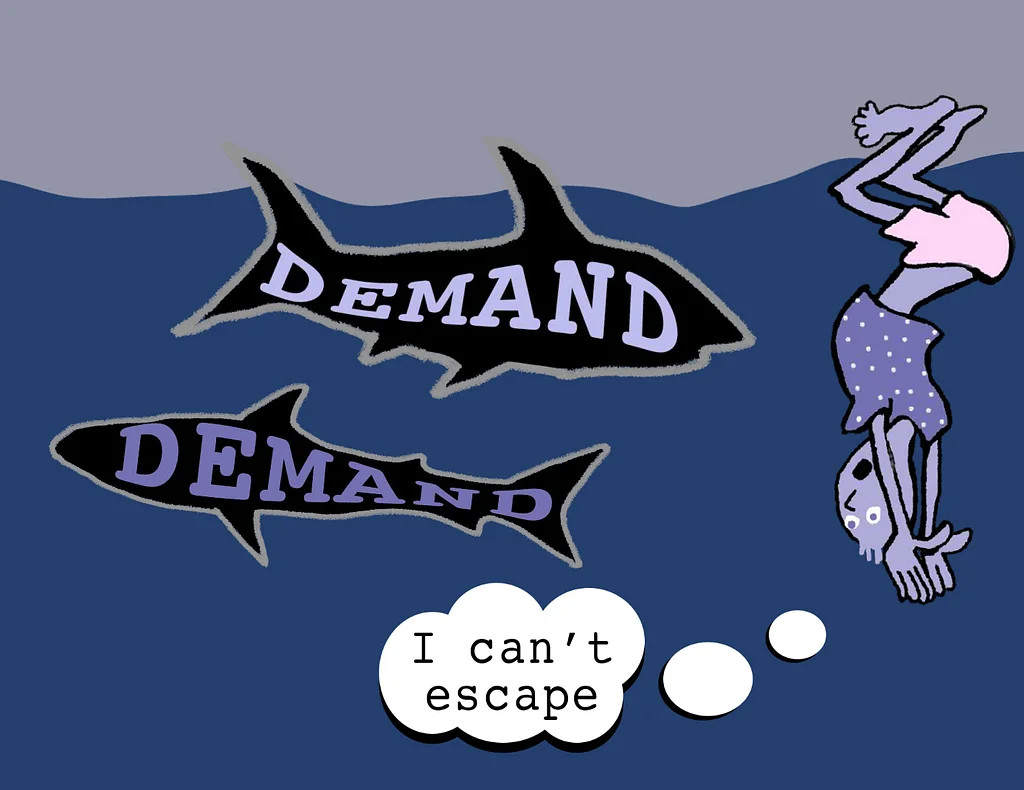
Our introduction to PDA considers whether “pathological” is a dirty word before examining each of PDA’s traditional core traits in vivid depth: “pathological” demand avoidance; anxiety; control-need; social naivety; social focus (which may become obsessive); fondness of novelty; strong changeable emotions (including meltdowns); using creative and/or social strategies to avoid demands; being drawn to fantasy and role-play; disregard for social hierarchy. Plus why this traditional traits list isn’t exhaustive.

2) How PDA is Hidden
Ways in which PDA is hidden, covering internalized PDA, externalized PDA, meltdowns, alexithymia (emotion blindness), an introduction to atypical adrenal responses, invisible demand avoidance, quibbling, four different types of masking, situational mutism and “spare” (tandem) play.

3) Adrenal Defense Strategies
Fight, flight, freeze and seven more potential “F” responses: fawn, flop, fib, funster, fantasy, forget and flood. How adrenal responses play into masking. Polyvagal theory, and how it explains PDA “F” proneness, but not “pathological” demand avoidance.
4) Other conditions
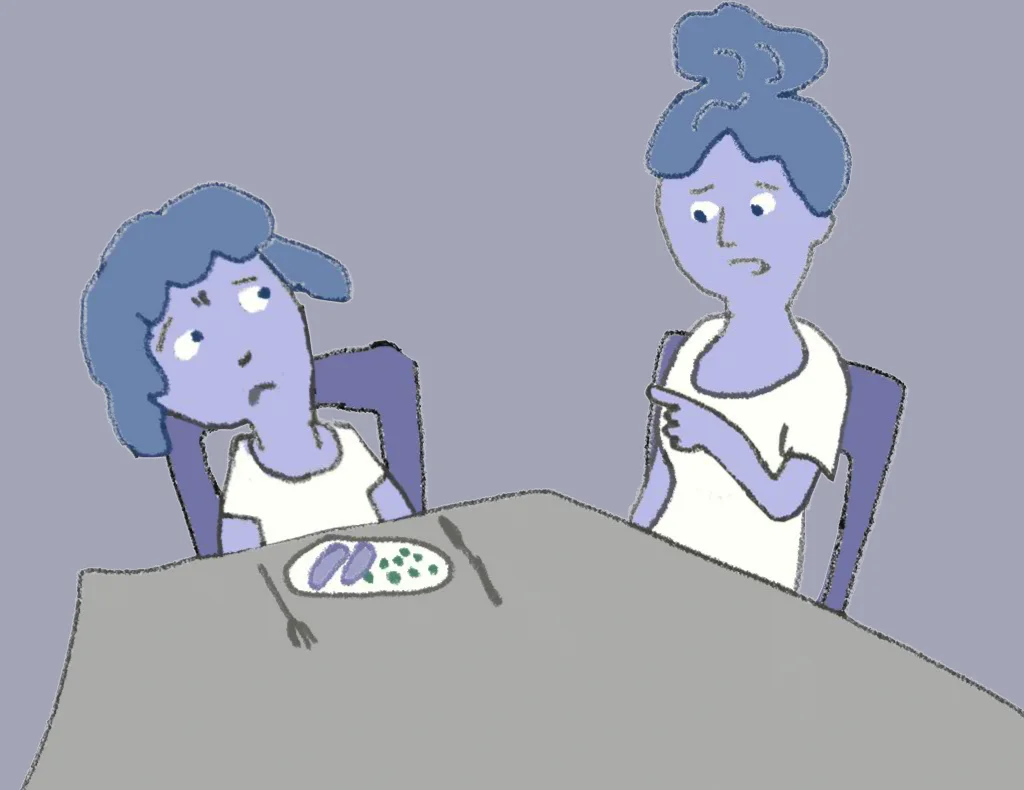
Conditions commonly co-occurring with PDA: ADHD, non-speaking autism, avoidant/restrictive food intake disorder (ARFID), circadian sleep disorders (CSDs), Ehlers Danlos syndromes (EDS) & hypermobility, fibromyalgia & ME/chronic fatigue syndrome (CFS), hyperlexia, learning disabilities (including dyslexia and dyspraxia), mast cell activation syndrome (MCAS), obsessive-compulsive disorder (OCD), rejection sensitive dysphoria (RSD), sensory processing disorder (SPD), synesthesia, Tourette’s syndrome.
Conditions PDA is frequently misdiagnosed as comprise: attachment disorder, autism & ADHD combined (auDHD), bi-polar disorder, burnout, complex post-traumatic stress disorder (cPTSD), conduct disorder, depression, emotional dysregulation, extreme demand avoidance (EDA), fabricated or induced illness (FII), generalized anxiety disorder (GAD), non-verbal learning disorder (NVLD), oppositional defiant disorder (ODD), PANS & PANDAS, personality disorders (including avoidant, borderline and narcissistic).

5) PDA Positives
Peer research results. Humor, creativity, verbal ability, word play, social ability, unconventional solutions, passion, compassionate empathy, social equalizing drive, self-exploration.

6) Babyhood & Toddlerhood
Babyhood: pre-birth PDA. Passive PDA babies, trancing out, masking. Core PDA traits in babies: PDA-style avoidance; high anxiety; high control-need; interest in people; fondness of novelty; strong changeable emotions; using creative and/or social strategies to avoid demands; role-play; not being bound by social hierarchy.
Toddlerhood: walking, talking and avoiding!
7) Childhood
“My legs don’t work”, co-sleeping, food avoidance, screen time, problems with praise,
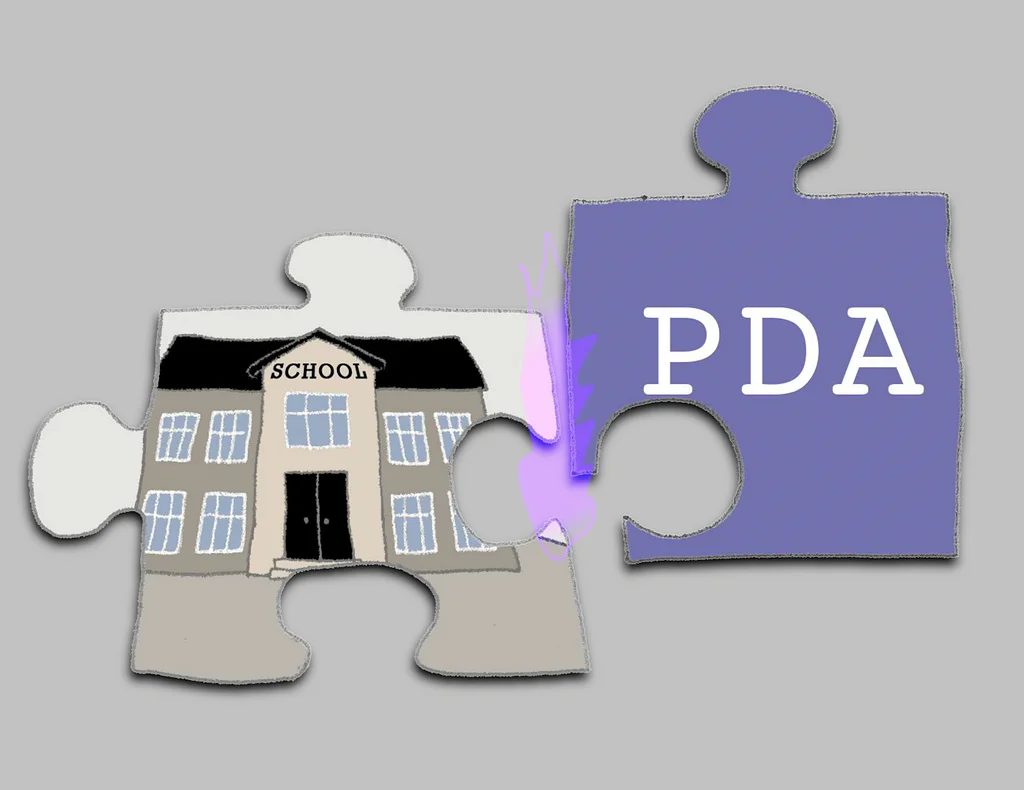
School and PDA: effective PDA strategies for educators, the fight adrenal response, masking, friendship problems, bullying, petty crime, situational mutism & spare play. Schools not believing the child has an issue. Autism strategies failing. Expulsion. School refusal. Invisible mental health crisis for PDA kids. Alternatives to mainstream schooling.
Telling a child about their PDA diagnosis.

8) Adolescence
Supporting PDA teens. Issues for PDA teens: mental health problems, mirrored personality disorders, late sleeping, messy bedrooms, poor hygiene, violence against siblings & parents, people obsessions, self-harm, rejecting their PDA diagnosis, not leaving their room. Burnout. Further education. Employment.

9) Adulthood
Supporting your PDA child as an adult: financial issues, cohabitation, emotional support, healthcare, granting responsibility. Invisible mental health crisis for PDA adults. Abuse and vulnerability to abuse: unintentional abuse, forms of abuse (scapegoating, gaslighting, defensive narcissism, taking responsibility to stop abusing others, vulnerability to grooming. Alienation from families. Employment & PDA (including disability benefits).
